
Understanding Ocean Freight
- rachel9276
- Jan 29
- 3 min read
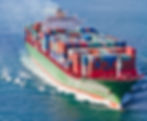
Ocean freight involves the transportation of goods via large cargo ships across the world’s oceans. It is a preferred method for shipping large quantities of goods due to its cost efficiency and capacity. It is significantly cheaper than air freight, and vessels are designed to carry substantial amounts of cargo, accommodating everything from small packages to massive industrial equipment. Ocean freight is also a more eco-friendly option than air freight, as ships have a lower carbon footprint per ton of cargo transported!
With an extensive coastline, strategic ports, and infrastructure of railways, Canada serves as a vital hub for ocean freight in North America.
Ocean freight imports involve many of the same initial processes for importers as highway shipments, including:
Registering for an import account (RM extension) through the CARM portal, using a business number provided by the Canada Revenue Agency (CRA)
Classifying goods using the harmonized system (HS) and determine applicable duties, taxes and tariffs
Submitting customs declarations to CBSA, with the help of a 3rd party customs broker or via the CARM portal
Obtain release of goods before they can be delivered and enter the Canadian market
Choosing the right carrier is also important. The shipping lines, freight forwarders, and trucking companies you or your vendor select will be responsible for transporting your goods across the border. Things to consider before selecting a carrier include:
Expected transit time and freight costs
Their experience level with international and specifically containerized freight
Their equipment and licenses held for handling certain types of restricted goods
Required Documentation for Clearance:

Commercial invoice: Prepared by the seller, provides detailed information about the goods being imported into Canada and the parties involved in the sale. Used to determine important clearance data such as duties, taxes, importer, and country of origin.
Packing list: Details how goods in a shipment are packed. Important to have in the case of possible CBSA inspection, and to assist warehouses and terminals with unloading and storage.
Bill of lading: Serves as proof of receipt and a contract of carriage with the ocean carrier.
Arrival notice or e-manifest: Issued by the shipping line or a freight forwarder, contains
Certificate of origin (if needed): To utilize trade agreements and remit duties
Shipping options:
FCL (Full container load) | LCL (Less than container load) |
You pay for the space of the entire container (typically 20ft or 40ft), ideal for large shipments. You are not purchasing the container itself; it is just as a vessel for transport and will be returned to the shipping line. The shipment will clear at the port of arrival, or at the final rail yard if continuing on rail. | You pay for a portion of the space in a shared container, ideal for smaller shipments. The shipment will clear customs once arrived at a designated warehouse. Costs and exam charges (when applicable) are prorated and split amongst all importers. |

Major Canadian ports:
Port of Vancouver, BC: Canada’s largest port, handling over 140 million tones of cargo annually
Port of Montreal, QC: Canada’s 2nd largest port, acting as a crucial inland gateway
Port of Halifax, NS
Port of Prince Rupert, BC
Port of Saint John, NB
Compliance
It’s important to understand that importing doesn’t end when your goods arrive – ongoing compliance is essential! Importers are required to keep records for 6 years after the current (the same as regular highway shipments). This includes invoices, permits, shipping documents, and relevant correspondence. CBSA routinely audits importers to ensure compliance, so having clear records and accurate documentation protects you from penalties.
Importing is best approached with a consistent process that covers all the basics. Let an experienced customs broker like R&R handle all the crucial details and deliver insight into regulations, tariffs and efficient compliance. Please contact us for assistance with your ocean shipments!